Organic Skincare Routine: Unlock the Secrets to Radiant Skin
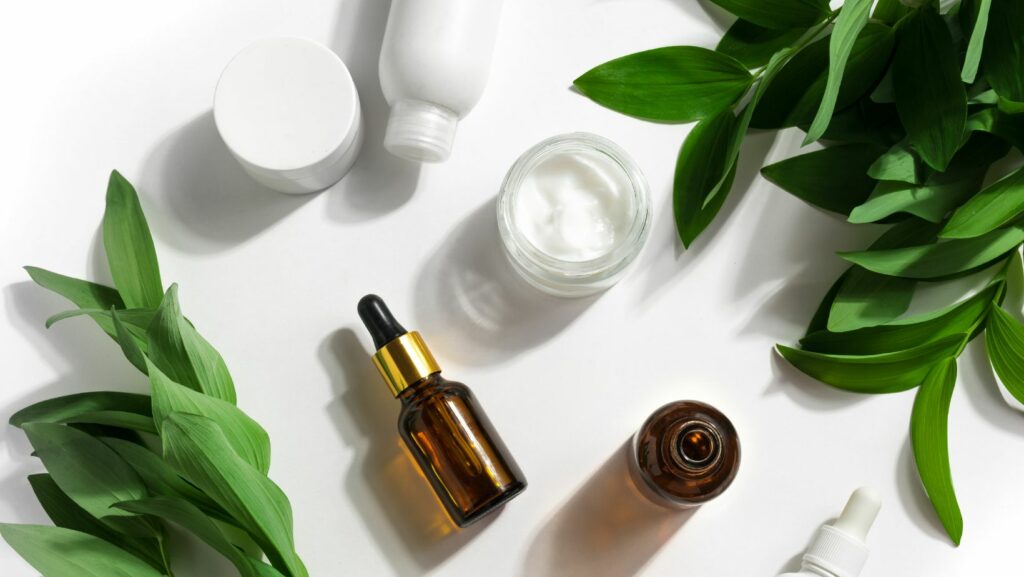
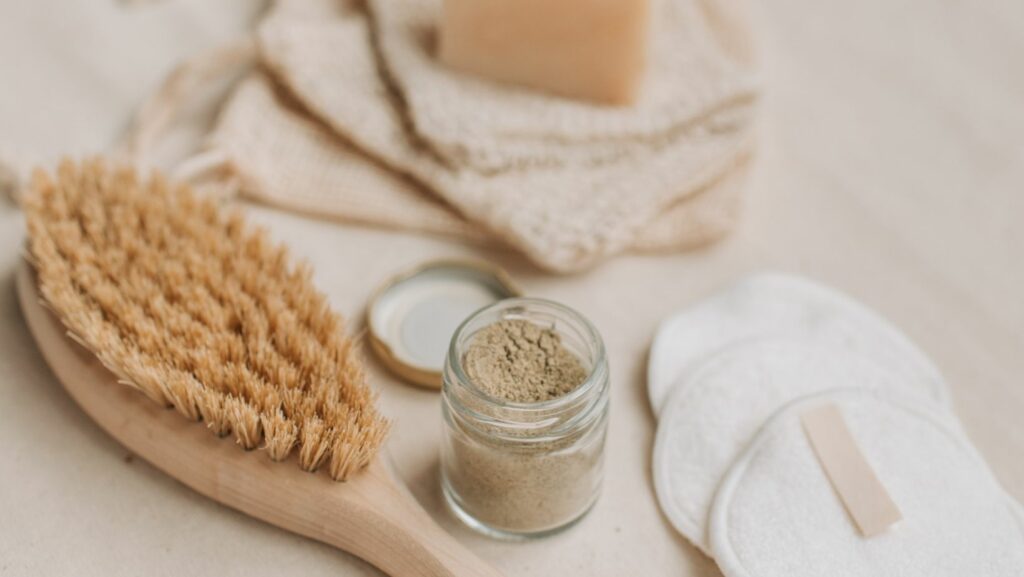
Have you ever looked in the mirror and thought, “There’s got to be a better way to take care of my skin?” Well, you’re in the right place. Organic skincare isn’t just a trendy buzzword, it’s our ticket to healthier skin that feels and looks as good as we want it to be. Ever wondered how nature’s best ingredients can transform our daily ritual into something both luxurious and effective? Stick around, because we’re about to jump into the wonderful world of organic skincare, where plant-based magic meets our beauty routine.
Benefits Of Organic Skincare
Choosing organic skincare products means we’re giving our skin a big, warm hug. First off, organic ingredients are free from synthetic chemicals and harmful additives, which is a win for our bodies. But there’s more, many of us find that organic skincare works with our skin rather than against it, reducing irritation and making our skin feel more balanced. We get fewer breakouts and often see an improvement in texture and tone. Plus, let’s not forget about the delightful scents. When we lather on products bursting with natural fragrances, it turns our bathroom into a mini spa. Who doesn’t want that?
Now, let’s jump into some specific benefits. Organic products often feature high antioxidant content that assists in fighting free radicals, those pesky little things that make us age faster. Another fantastic perk is the nourishment our skin receives: ingredients like shea butter and jojoba oil are rich in vitamins and essential fatty acids, promoting our skin’s health. In short, adopting an organic skincare routine means we’re not just pampering ourselves but also investing in our long-term skin health.
Understanding Organic Ingredients
So, what exactly are organic ingredients? Great question. In essence, organic ingredients are derived from plants that have been cultivated without the use of synthetic fertilizers, pesticides, or genetically modified organisms. This means when we apply a face cream or serum made from organic ingredients, we’re putting nature right onto our skin without any of those unnecessary chemicals.
Common organic ingredients that we often see include aloe vera, chamomile, and coconut oil. Each brings unique benefits: for instance, aloe vera is renowned for its soothing properties, making it perfect for irritated skin. But let’s be wise here, just because a product lists organic ingredients, it doesn’t automatically mean it’s the best choice for us. It’s crucial we read labels and verify certifications to ensure we’re getting the real deal.
Step-By-Step Guide To An Organic Skincare Routine
Let’s roll up our sleeves because it’s time to outline our daily organic skincare routine.
Cleansing Types You Can Use
First and foremost, we need to cleanse our skin to remove dirt, oil, and makeup. Opt for a gentle organic cleanser, like one that includes organic honey or tea tree oil. Honey is an incredible natural humectant that hydrates while it cleans, while tea tree oil helps fight acne-causing bacteria.
Toning With Natural Ingredients
Next step? Toning. We can use a toner comprised of organic ingredients such as rose water or witch hazel. These not only help restore our skin’s pH balance but also refresh our complexion. Gentle misting on our skin turns the mundane into a refreshing pick-me-up, don’t you think?
Moisturizing Tips For Glowing Skin
The grand finale is moisturizing. Look for organic moisturizers with ingredients like shea butter or argan oil. These moisturizers will lock in hydration and keep our skin looking dewy all day. Plus, we can always mix in a few drops of our favorite essential oils for that aromatic experience we crave.
The Importance Of Sun Protection
No conversation about skincare is complete without addressing sun protection. We might think our organic regimen is foolproof, but UV rays can still wreak havoc on our skin. Incorporating a natural sunscreen with organic ingredients like zinc oxide and non-nano titanium dioxide can shield us from harmful rays without toxic chemical filters. It’s essential we make sun protection a non-negotiable part of our routine, no matter the weather.
Sourcing Quality Organic Products
Now that we’re on a roll, we might be wondering how to source the best organic products. A good rule of thumb is to check for certifications, ensuring they meet organic standards. It pays off to do a bit of research on brands, read labels, and explore customer reviews. They often highlight effective products we may have missed otherwise. Shopping at reputable stores that focus on natural products can also steer us in the right direction. No one wants to invest in questionable products, right?