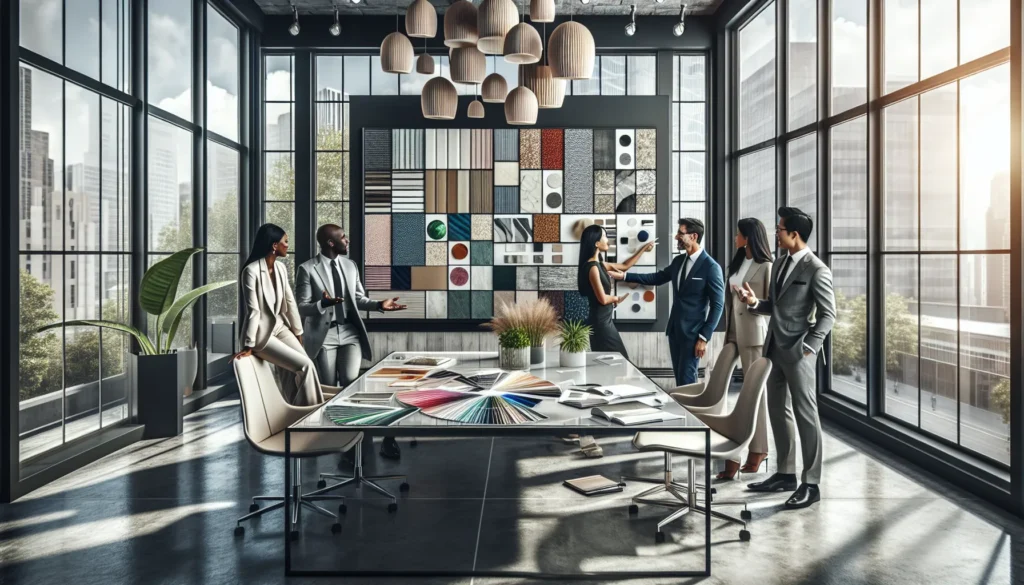
Picture this: You’re standing in a hardware store, running your fingers over a slab of cool marble, then a sheet of warm, honey-colored plywood. The difference isn’t just texture—it’s a whole world of choices, trade-offs, and possibilities. If you’ve ever felt overwhelmed by design materials, you’re not alone. Picking the right material can make or break your project, whether you’re building a coffee table, designing a logo, or planning a skyscraper. Here’s the part nobody tells you: the best design materials aren’t always the fanciest or most expensive. Sometimes, they’re the ones that tell your story best.
What Are Design Materials?
Design materials are the physical or digital substances you use to bring ideas to life. Wood, metal, glass, fabric, pixels, paper—each one shapes the look, feel, and function of your work. If you’re a designer, architect, artist, or even a DIY enthusiast, you’re already making choices about design materials every day. The trick is knowing what each material can do—and what it can’t.
Why Design Materials Matter
Let’s break it down. Imagine you’re designing a chair. Choose steel, and you get strength and a modern vibe. Pick rattan, and you get warmth and flexibility. The material changes everything: comfort, durability, cost, even the story your chair tells. The same goes for digital design. A glossy button feels different from a flat, matte one. If you’ve ever wondered why some products just feel right, it’s often because someone obsessed over the design materials.
Types of Design Materials
Here’s where things get interesting. There’s no one-size-fits-all answer, but you can group design materials into a few main categories:
- Natural materials: Wood, stone, leather, cotton. These bring warmth, texture, and a sense of history.
- Synthetic materials: Plastics, acrylics, composites. These offer consistency, color options, and sometimes lower costs.
- Metals: Steel, aluminum, copper, brass. Metals add strength, shine, and a sense of permanence.
- Glass and ceramics: For transparency, gloss, and a touch of fragility.
- Digital materials: Pixels, vectors, code. In digital design, your “materials” are the building blocks of screens and interfaces.
Each material has its quirks. Wood warps. Metal scratches. Glass shatters. Digital materials glitch. The magic happens when you pick the right one for the job.
How to Choose the Right Design Materials
If you’ve ever struggled with this, you’re in good company. Even pros get it wrong sometimes. Here’s a quick checklist to help you decide:
- Purpose: What does your project need to do? A kitchen countertop needs to resist stains. A business card needs to feel good in the hand.
- Budget: Some design materials cost a fortune. Others are surprisingly affordable. Don’t let price alone decide, but don’t ignore it either.
- Durability: Will it last? If you’re designing for kids, skip the delicate stuff.
- Look and feel: Do you want sleek and modern, or cozy and rustic? Materials set the mood.
- Sustainability: More people care about where their materials come from. Recycled, upcycled, or responsibly sourced options can make a difference.
Here’s why this matters: The wrong material can turn a dream project into a nightmare. I once built a bookshelf out of particleboard. It looked great—until it sagged under the weight of my books. Lesson learned: not all design materials are created equal.
Common Mistakes When Picking Design Materials
Let’s get real. Everyone makes mistakes with design materials. Here are a few I’ve seen (and made):
- Choosing based on looks alone. That gorgeous marble countertop? It stains if you look at it funny.
- Ignoring maintenance. Some materials need babying. Others shrug off abuse.
- Forgetting about context. A material that works in one climate might fail in another.
- Overcomplicating things. Sometimes, simple plywood beats fancy composites.
If you’ve ever regretted a material choice, you’re not alone. The good news? Every mistake teaches you something new.
Trends in Design Materials
Design materials aren’t static. New options pop up all the time. Right now, people are excited about:
- Recycled plastics: Turning waste into beautiful, durable products.
- Bamboo: Fast-growing, strong, and surprisingly versatile.
- Engineered wood: Like cross-laminated timber, which lets you build tall, strong structures with wood.
- Biodegradable materials: Think mushroom-based packaging or algae-based plastics.
- Digital textures: In web and app design, “material” means how things look and feel on screen—shadows, gradients, and micro-interactions.
Here’s the twist: Sometimes, the best design materials are old favorites used in new ways. Concrete countertops, felt wall panels, or even cork flooring can surprise you.
Who Should Care About Design Materials?
If you’re a designer, architect, artist, or maker, you already know the power of materials. But even if you’re just picking out a new sofa or planning a website, understanding design materials helps you make smarter choices. If you want your work to last, feel right, and stand out, this is for you. If you’re looking for shortcuts or don’t care about the details, you might be happier letting someone else decide.
Actionable Tips for Working With Design Materials
Ready to get your hands dirty? Here are a few tips I wish someone had told me:
- Always test a sample. Touch it, scratch it, spill on it. See how it reacts.
- Ask about sourcing. Where does it come from? Is it safe? Is it ethical?
- Mix and match. Sometimes, the magic happens when you combine materials—like wood and metal, or glass and fabric.
- Don’t be afraid to break the rules. Some of the best designs come from happy accidents.
- Keep learning. New design materials show up every year. Stay curious.
Next steps: Start a materials journal. Collect swatches, photos, or digital samples. Write down what you like and what you don’t. Over time, you’ll build your own library of design materials—and your projects will get better and better.
Final Thoughts
Design materials shape everything we touch, see, and use. They’re the secret ingredient behind great design. If you pay attention, experiment, and learn from your mistakes, you’ll find the right materials for your next project. And who knows? You might even have fun along the way.